

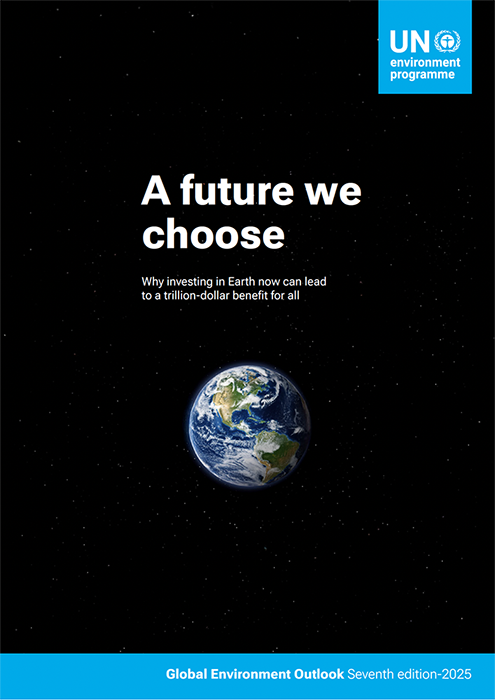
The United Nations today launched the Global Environment Outlook, Seventh Edition: A Future We Choose (GEO-7)—the most comprehensive environmental assessment ever undertaken, and one that delivers a stark message: business-as-usual development is driving escalating climate, biodiversity, land and pollution crises, costing trillions of dollars and millions of lives each year. The report also shows that transformative, coordinated action could reverse this trajectory and unlock at least US$20 trillion in annual global benefits by 2070.
Produced by 287 multidisciplinary scientists from 82 countries, GEO-7 was released during the UN Environment Assembly in Nairobi. Among its contributors was NRI’s Professor Valerie Nelson, who was both a lead author across four chapters and an active member of the Indigenous and Local Knowledge (ILK) Taskforce.
A global report with planetary relevance – and NRI expertise
GEO-7 makes clear that current development pathways will bring catastrophic climate change, devastation to nature and biodiversity, debilitating land degradation and desertification and lingering deadly pollution. These impacts would come at a huge cost to people and the planet.
Environmental impacts already have significant human and economic costs. Climate-related disasters are costing an estimated US$143 billion annually; land degradation affects over three billion people; biodiversity loss is accelerating; and nine million deaths each year are attributable to pollution. Without urgent action, the report warns that global temperatures are likely to surpass 1.5°C in the early 2030s and exceed 2°C in the 2040s, with devastating economic consequences.
However, the report stresses that there are pathways to a better future for all – should we choose to take them. It outlines two potential transformation pathways: one centred on behavioural shifts and reduced material consumption, and another based primarily on technological innovation. Both demonstrate that coordinated, system-wide changes across energy, food, materials, finance, and environmental stewardship could deliver enormous returns: reduced climate risks, restored natural lands, nine million avoided deaths by 2050, and hundreds of millions lifted out of poverty and hunger. Whole-of-government and whole-of-society approaches are needed to transform systems of economy and finance, materials and waste, energy, food and the environment.
Professor Nelson was a lead author in Chapter 1 – Introduction, Chapter 7- Implication of environmental crises on the socioeconomic dimensions of the Sustainable Development Goals, Chapter 12 Transforming systems – principles and levers in action and Chapter 21- Driving the transformations.
A roadmap for systemic change
GEO-7 makes clear that reversing environmental decline requires sweeping, coordinated transformations across the systems that shape our economies and daily lives. The report calls for a fundamental shift in how nations define and measure prosperity – moving beyond GDP towards metrics that reflect human wellbeing and the health of natural capital. It highlights the need to reform financial incentives, phase out harmful subsidies, and properly value environmental costs and benefits in economic decision-making.
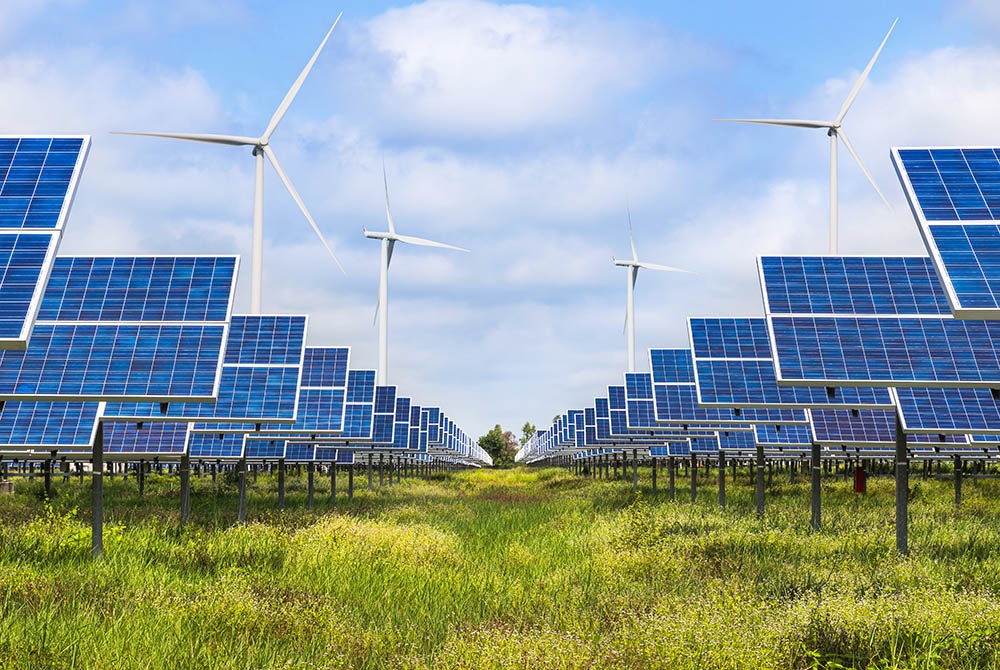
At the same time, the report stresses that technological advances must go hand-in-hand with changes in consumption and production. Circular design, traceability and regenerative business models are positioned as essential to reducing waste, while the energy system must rapidly decarbonise and expand equitable access to clean energy. Food systems also need to change dramatically, by promoting sustainable, healthy diets and cutting food loss and waste. Together with accelerated conservation, ecosystem restoration and climate adaptation efforts, these shifts form a cohesive roadmap for a more resilient, equitable and sustainable world.
How to transform: Systemic interventions and plurality
Valerie’s expertise on transformative change informed treatments of transformation in the assessment. In particular, she focused on ‘principles and levers in action for transformations, including attention to plurality and consideration of marginalised perspectives, which are essential to the intentional governance of transformative change’. Additionally, she explored the key question of how environmental impacts undermine economic growth.
‘GEO-7 provides a powerful evidence base showing that environmental action is not only vital for the planet, but also for prosperity and justice for all life. It highlights how plurality is essential for achieving just and systemic transformations’ said Professor Nelson.
Centring Indigenous and Local Knowledge in transformations: A groundbreaking step for intergovernmental assessments
One of GEO-7’s key messages is the importance of valuing diverse knowledge systems, including ILK, for resolving the environmental crises. As a member of the ILK Taskforce, Professor Nelson supported the centring of Indigenous Peoples’ ontologies, epistemologies and values – giving space for these on their own terms, rather than or in addition to integration into the scientifically framed assessment.
Professor Nelson said: ‘Indigenous Peoples and local communities hold knowledge and wisdom that is indispensable for sustainable futures. They should be recognised as rightsholders, but can also inform our thinking about better futures everywhere by focusing on relations of care and reciprocity.’
The taskforce worked hard to achieve the five stand-alone sections which give space to ILK in the main report. These were drafted by the taskforce, which included Indigenous scholars and non-Indigenous allies. The drafts were then reviewed in an ILK dialogue in Chiang Mai, Thailand, which was the third in a series of ILK dialogues accompanying and informing the UNEP GEO 7 process. These sections include principles and themes of transformations identified by Indigenous Peoples.
‘This is a groundbreaking step by GEO-7 – giving dedicated space to ILK and including ILK within the main body of the report. It is a first step in centring Indigenous Knowledge in thinking about flourishing futures for all life, and, I think, unique in intergovernmental science-policy assessments. These developments are welcome for justice and plurality’, Professor Nelson noted.
Looking ahead
GEO-7 is expected to become a reference point for policy development worldwide, but it requires political commitment and action from governments and all in society for habitable and fair futures.