

News - 2026
Details
15
October
2026
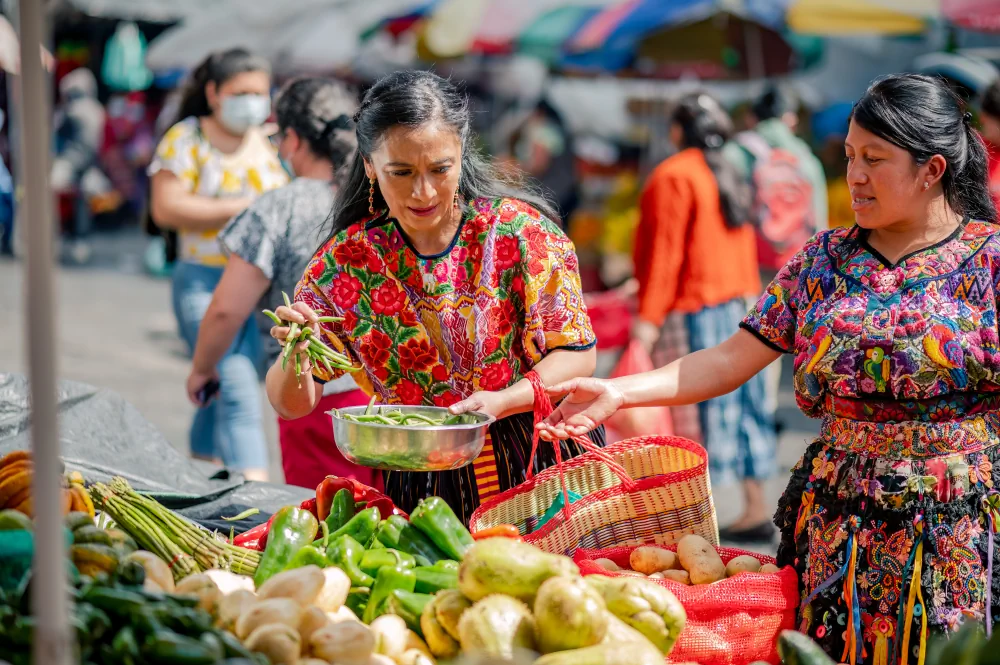
Cast your mind back over all the places where you have acquired and consumed food this week. How about the past month or year? The supermarket, the takeaway, that café where you grab coffee and a bite whilst on the go, the delivery app on your...
Details
15
October
2026
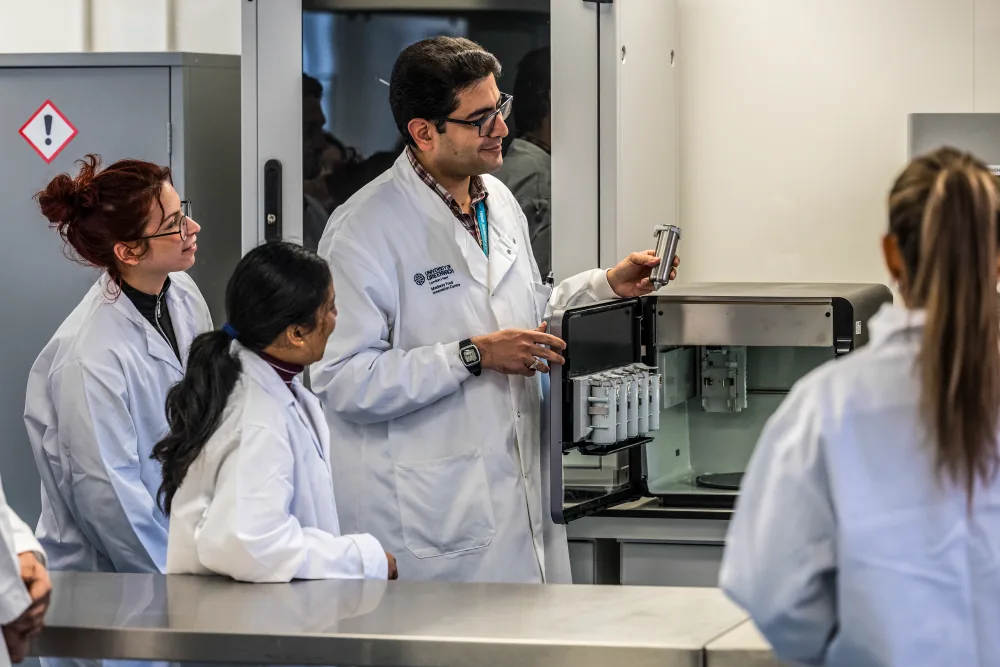
On World Food Day 2026, the global community unites around a critical mandate: ‘Innovate today. Nourish tomorrow.’ But what does that look like in practice for the scientists, product developers, and food security leaders of tomorrow?
At NRI, MSc...
Details
15
October
2026
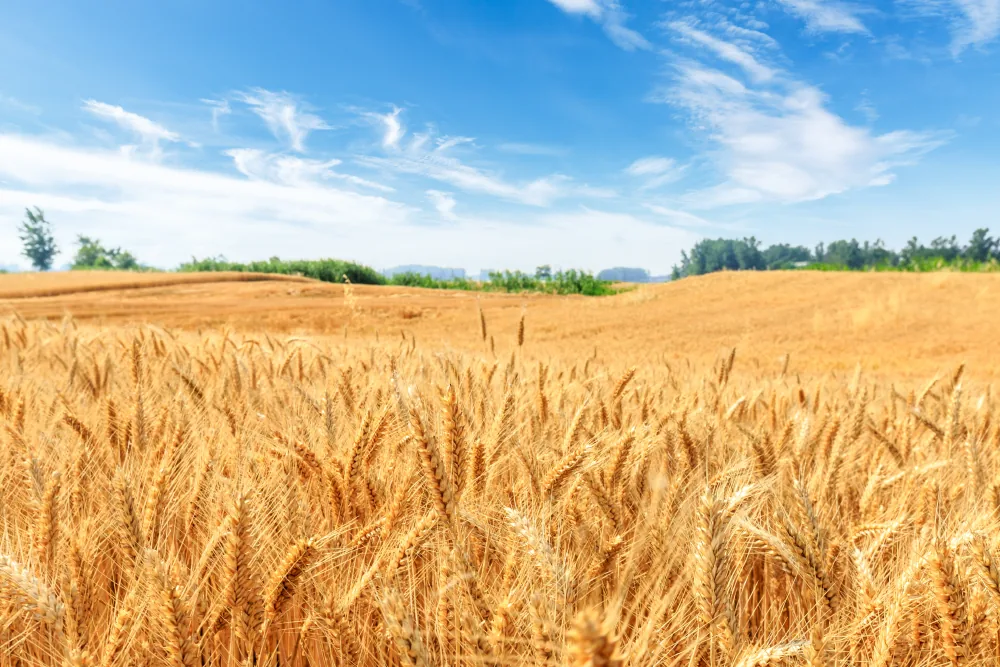
Wheat is a cornerstone of the UK diet, contributing substantially to daily energy, protein and dietary fibre intakes. But what would the UK wheat-based food system look like if healthy diets and improved nutrition were explicit goals?
Encouraging...
Details
29
September
2026
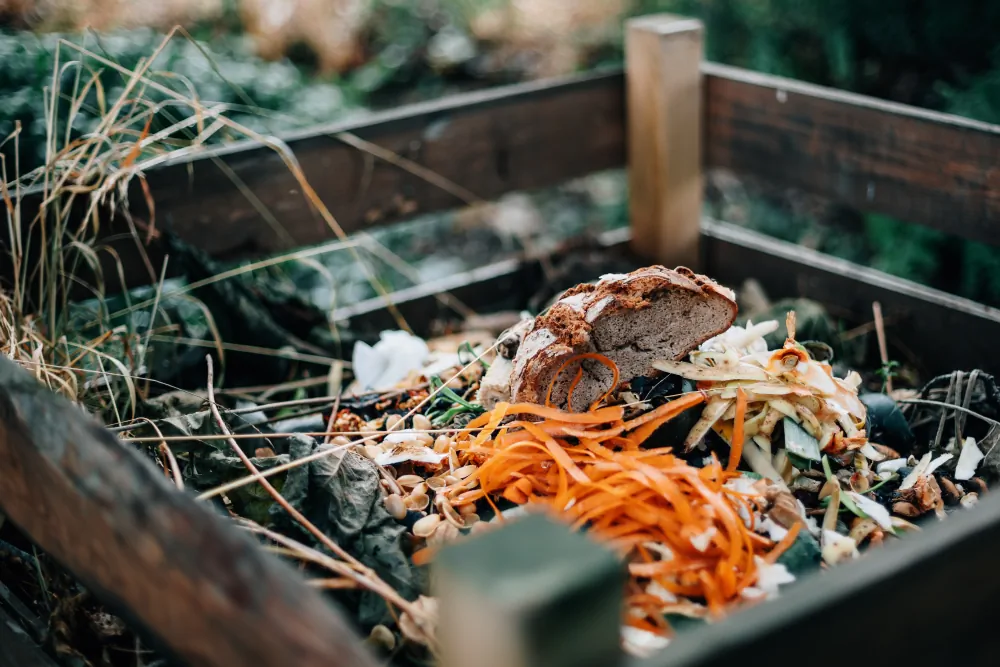
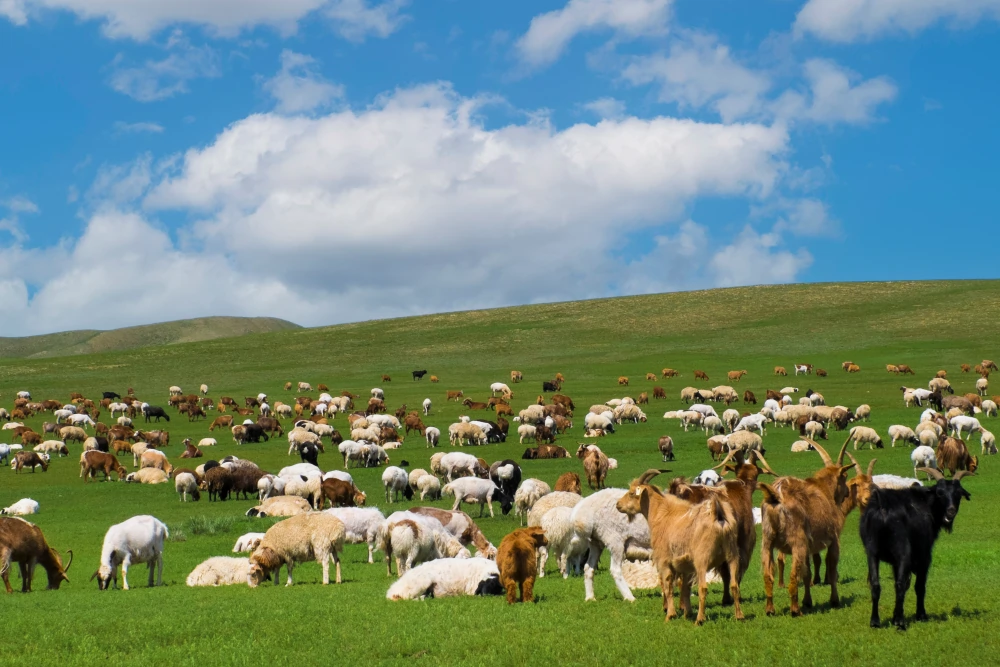
It is no longer news that, despite the land, water, seeds and other resources, the months of effort, the skills and care required to grow and produce our food, particularly in the face of increasingly unpredictable climates, a shocking proportion...
Details
24
September
2026
Value Chain Analysis for Development (VCA4D) is a programme funded by the EU Directorate for International Partnerships (DG-INTPA), and implemented by Agrinatura, the European Alliance for Agricultural Knowledge for Development. At the request of...
Details
22
September
2026
Food systems sit at the centre of many of the challenges facing the world today. These interconnected challenges, including climate change, biodiversity loss, malnutrition, inequality, wars and supply chain disruptions, have also exposed the...
Details
15
September
2026
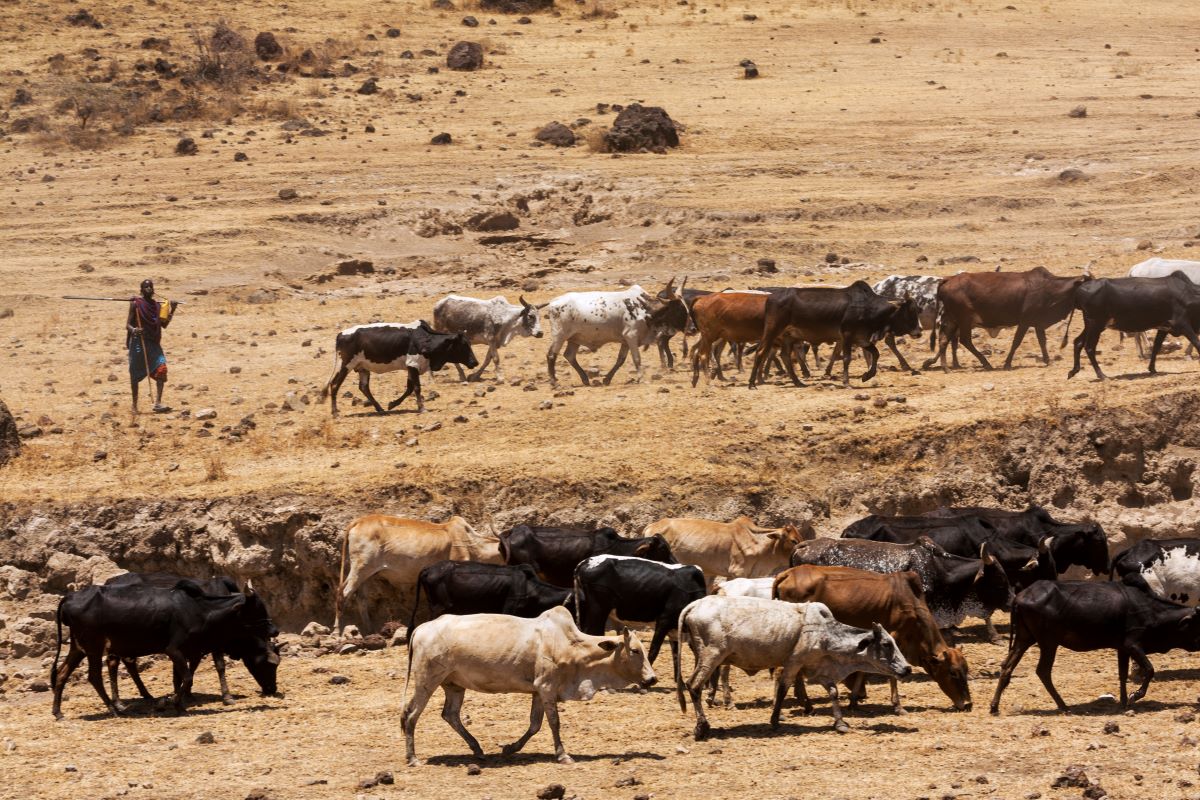
In the heart of West and Central Africa, a persistent struggle over water and land resources is reshaping rural life and intensifying social and economic pressures. The resultant widespread tensions between farmers and herders have escalated in...
Details
27
August
2026
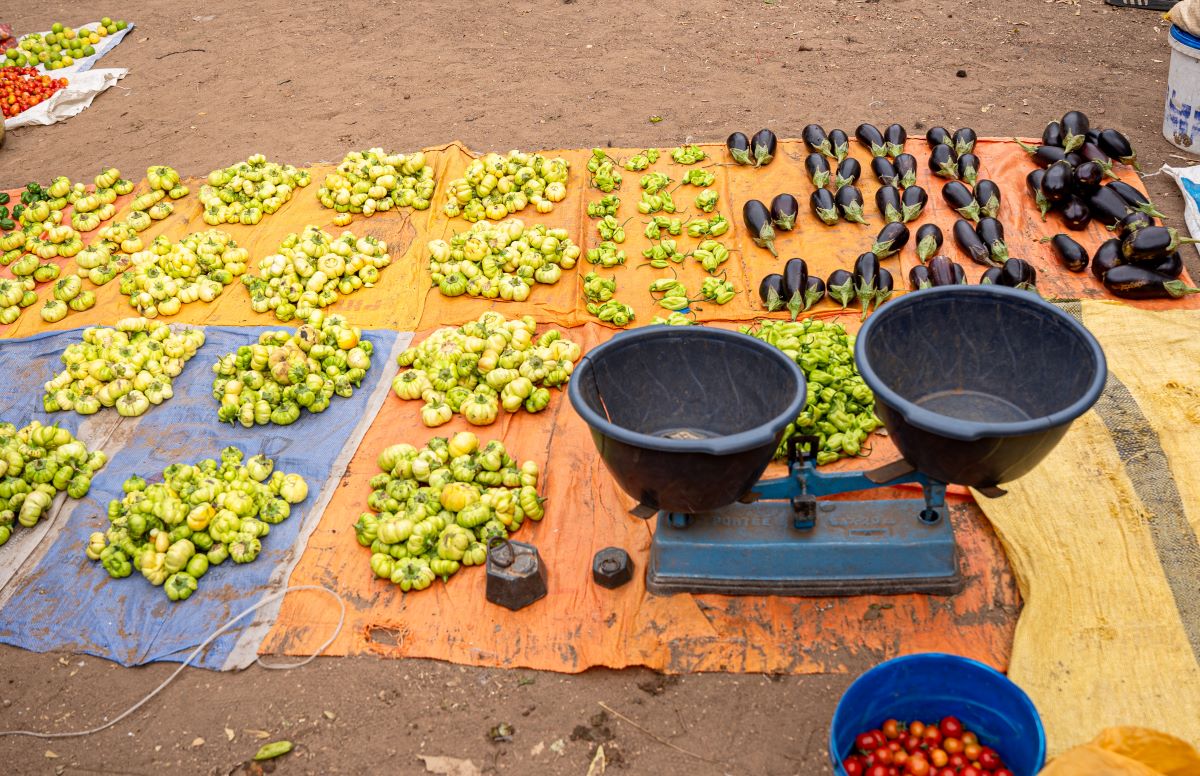
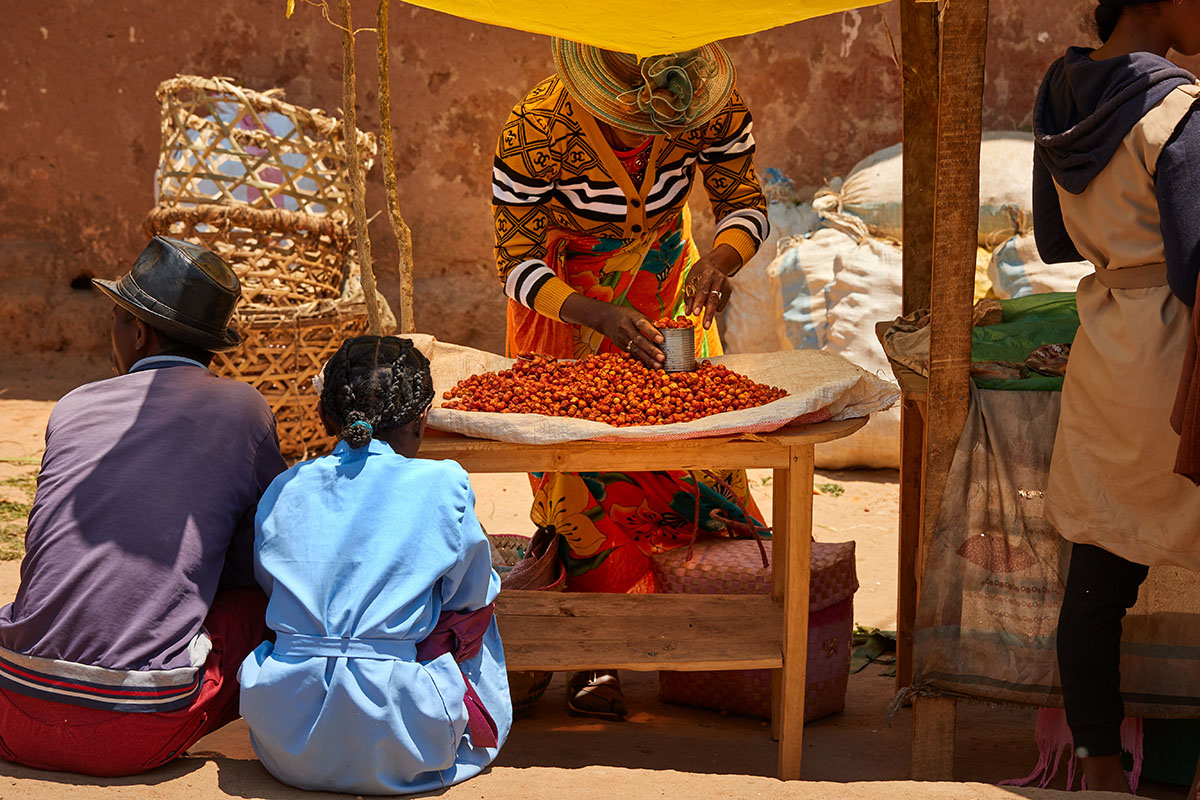
In the bustling markets of Ziguinchor, Senegal, daily life unfolds in colour and complexity. Crowded alleyways, vibrant produce stands and the constant rhythm of commerce set the scene. Yet beneath the bustling energy lies a deeper challenge: how...
Details
18
August
2026
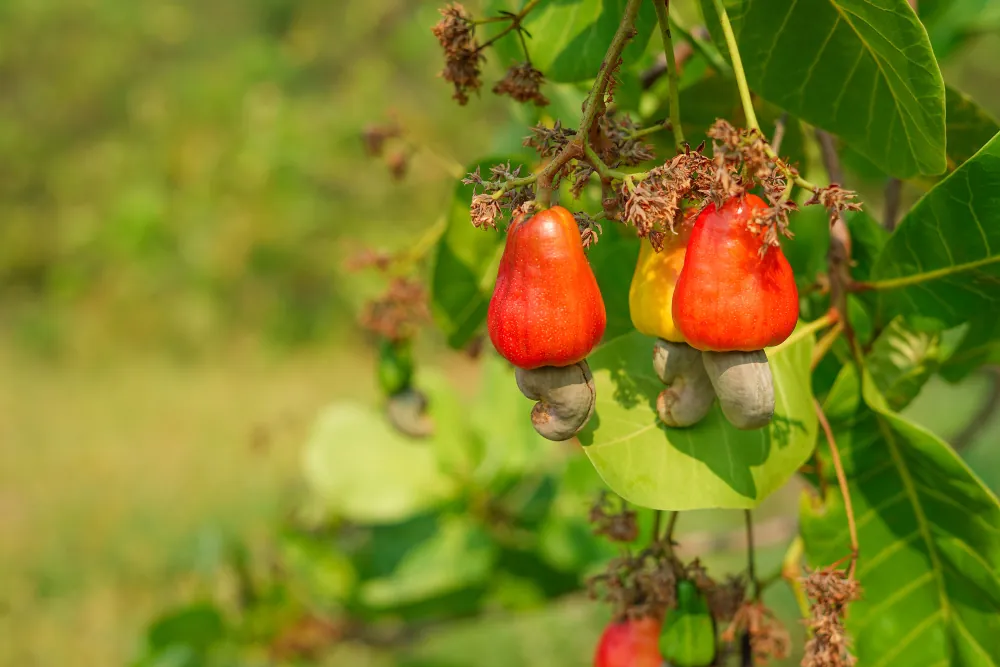
Empowerment is a complex, multidimensional concept that cannot be observed directly. Given the interlinkages between gender, nutrition and agriculture, it is important to assess both the effects of nutrition and agroecology interventions for...
Details
11
August
2026
Fungal diseases pose significant global risks to horticulture, resulting in losses from farm-to-fork. These diseases cause direct losses before harvest, spoil food after harvest and contamination by mycotoxins poses health risks to both humans and...

Details
31
July
2026
Bob Taylor, the driving force behind England’s largest regional network of farmers’ markets, has been awarded an Honorary Doctor of Science by the University of Greenwich.
Over the past two decades, Bob has become one of Kent's most influential...

Details
28
July
2026
Rattail fescue (Vulpia myuros) is an annual grass (i.e. growing from seeds every year) usually emerging in autumn and producing numerous small seeds during the next summer. It originates from the Mediterranean area and has been present in most of...

Details
21
July
2026
The recent report by FAO, NRI and AWARD on the status of women in agrifood systems in sub-Saharan Africa underlines a ‘moral imperative’ as the basis for greater gender equality and empowerment of women in agrifood systems and rightly links gender...

Details
16
July
2026
Recent NRI-led research has shown that intensive rodent trapping can dramatically reduce rodent populations while also lowering the abundance of plague-carrying fleas inside homes, challenging previous concerns that trapping could increase disease...