

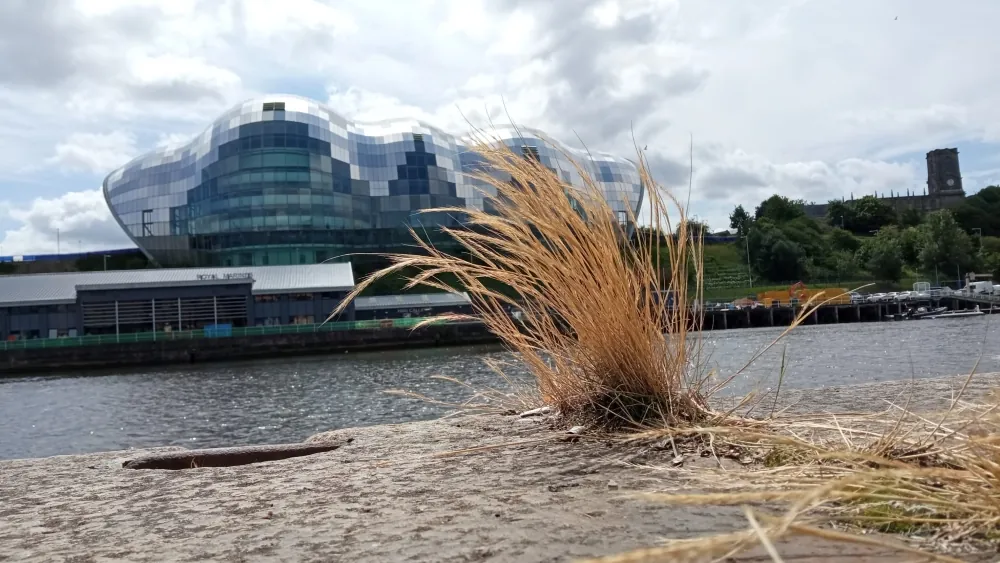
Rattail fescue (Vulpia myuros) is an annual grass (i.e. growing from seeds every year) usually emerging in autumn and producing numerous small seeds during the next summer. It originates from the Mediterranean area and has been present in most of Europe, including the UK, for hundreds of years. NRI is conducting research into the distribution, spread and ecology of this grass weed, which has increased in prevalence in Europe in the past twenty years.
This grass weed has spread in the UK over the past century but the reasons for this recent spread are not well known. It is increasingly widespread in urban spaces such as car parks, pavement cracks and tops of walls. Importantly, rattail fescue has also emerged as a weed in arable fields in the past 20 years in Europe and the UK, causing considerable damage when allowed to spread.
Interestingly, a similar sequence of events happened in Australia. Rattail fescue was accidentally introduced in the country with European settlers in the late 1700s but became a weed of economic importance from the 1960s in Australian pastures and arable fields, causing significant economic losses. At that time, rattail fescue was not known as a weed in other arable settings around the world.
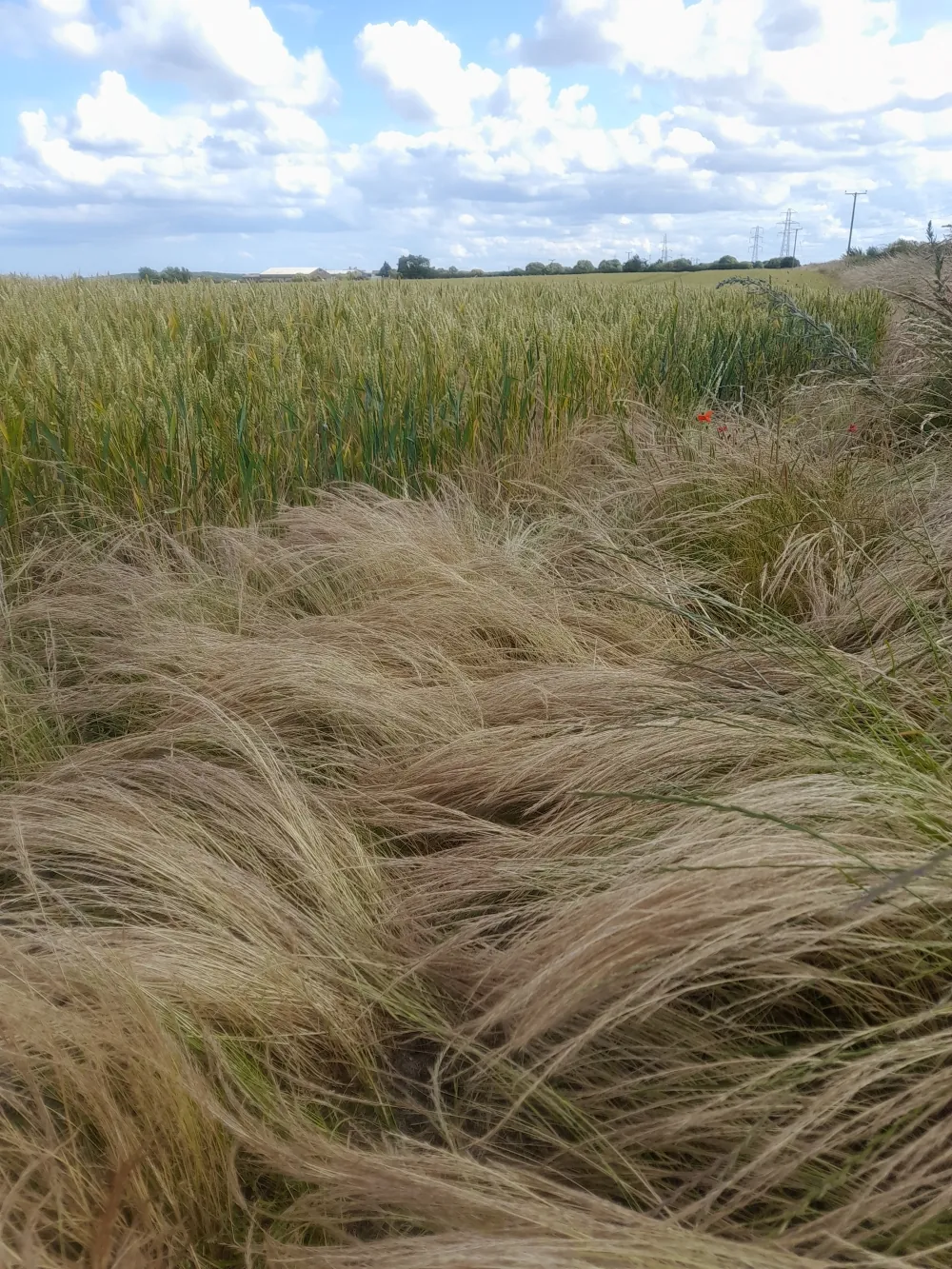
New weeds constantly emerge in arable fields and understanding how and why a species already present in an area can suddenly also thrive in agricultural fields is paramount to designing better control methods. Weeds induce high economic damage through yield loss and contamination of harvests. Therefore, weed management is a big part of farm and field management. For example, blackgrass (Alopecurus myosuroides), one of the main grass weeds in the UK, currently costs the UK economy around £400 million per year. It is thus of vital importance to study emerging weeds, such as rattail fescue, before they become major problems.
The NRI team first encountered rattail fescue in Switzerland, where the weed had invaded a long-term field experiment. Research lead Dr Lucie Büchi, Associate Professor in Crop Ecology at NRI said, ‘We then realised that there was some confusion around the identification of this species, even among extension agents and farmers.’ The team, in collaboration with scientists from Rothamsted Research, has since published a literature review on the species, an identification leaflet and launched an online survey to collect information about rattail fescue’s presence and associated cropping practices. Since then, the team has been conducting field work and pot experiments to better understand the ecology of this species and a closely related one. A PhD project (funded through a Vice Chancellor’s scholarship) on this species is also ongoing.
Through these experiments, the researchers hope to unravel the mechanisms through which this grass weed has spread in Europe and the UK and thrives in arable fields. ‘Ultimately, we hope that understanding this species better will allow us to tackle the problem before it creates damage similar to blackgrass’ Dr Büchi said.