

Fungal diseases pose significant global risks to horticulture, resulting in losses from farm-to-fork. These diseases cause direct losses before harvest, spoil food after harvest and contamination by mycotoxins poses health risks to both humans and livestock when consumed. The threat of fungal diseases is exacerbated by range expansion due to climate change, the continued emergence of fungicide resistance, and the propagation of susceptible plant varieties. Despite advances in molecular biology and DNA sequencing, there remains a significant gap in the accurate understanding of the fungi responsible for many horticultural diseases and crop losses.
Through initiatives like the Regional Scholarship and Innovation Fund (Rsif), the Partnership for skills in Applied Sciences, Engineering and Technology (PASET) and Commonwealth Scholarship programmes, NRI hosted a range of visiting PhD students between 2021 and 2025. With access to state-of-the-art facilities and training in molecular techniques, students were able to precisely identify fungal pathogens and undertake subsequent study of pathogen diversity. NRI has also established partnerships with African universities and built research capacity to tackle local challenges in various African countries through such programmes.
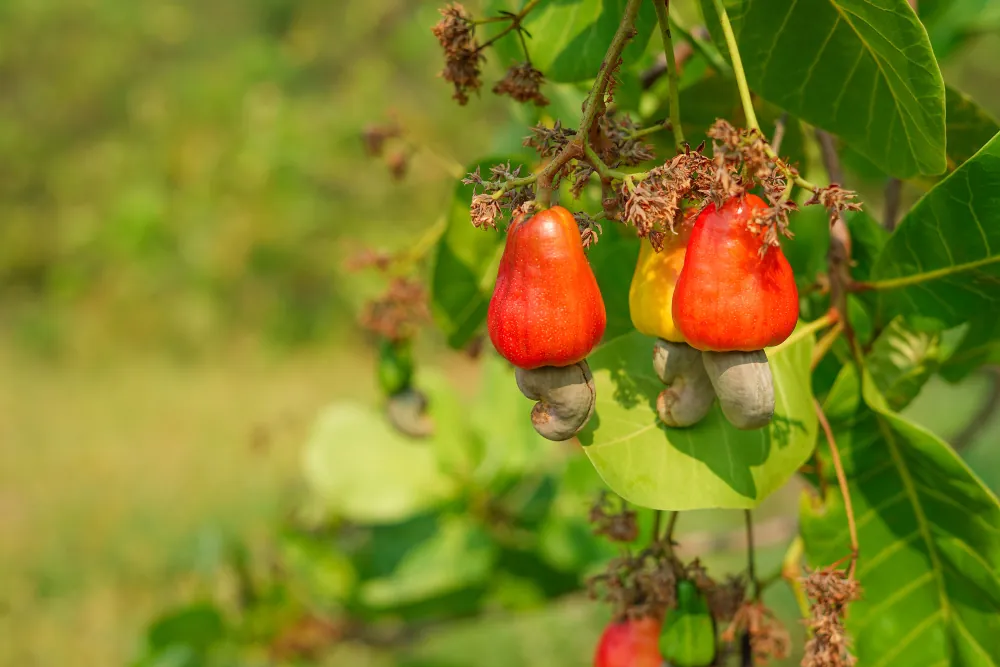
For six months in 2024, NRI hosted PhD student Arsène Nahangnon Soro, a RSIF PASET scholar from Université Félix Houphouët-Boigny, Côte d'Ivoire. He aimed to characterise fungal diseases of Cashew in Côte d’Ivoire, the world's leading cashew producer. Despite its top status, farmers in Côte d’Ivoire face continued threats from pests and disease. Arsène's work aimed to determine the causes of these diseases and support efforts to manage them and to breed more resistant cashew varieties.
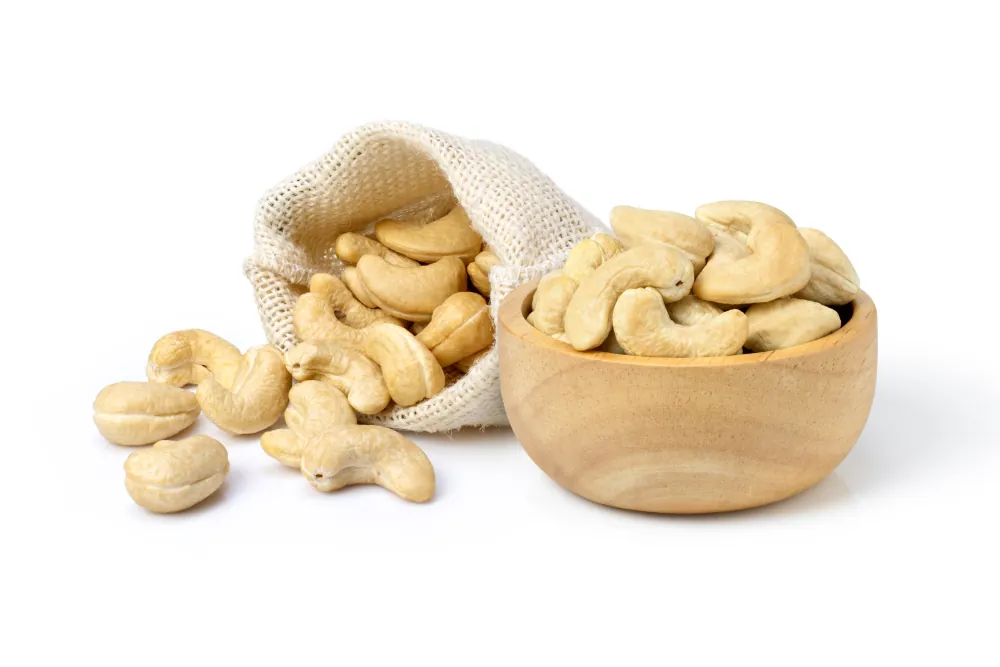
Anthracnose is considered the most damaging fungal disease of cashews affecting leaves, flowers, fruits and even cashew nuts and causing significant yield losses. This and the wide distribution of the disease throughout cashew growing areas in Côte d’Ivoire motivated Arsène to work on identifying solutions. ‘Despite our [Côte d'Ivoire] position as the world's leading producer of raw cashew nuts, with production projected to reach approximately 1.15 million tonnes in 2025, our country has a low yield per hectare (547 kg/ha in 2018, compared with 1 to 2 tonnes/ha in countries such as India and Vietnam). My country wants to maintain our position as the world leading producer and increase our yield per hectare. One way of achieving this is to control disease, which requires precise knowledge of the agents responsible for the disease', Arsène said.
Through the study of DNA from fungal strains collected from cashew nurseries and orchards across Côte d'Ivoire, Arsène precisely identified the causal agents of Cashew anthracnose. This groundbreaking work represents the first molecular-based study of this disease, not only in Côte d'Ivoire, but in Africa. With DNA-based analyses providing deeper insight than previously available, this study identified that a diverse set of Colletorrichum species is responsible for the disease.
This has implications for cashew breeding as crop resistance will need to be durable against multiple fungi, rather than a single pathogen. Also, findings indicated that Colletotrichum species previously reported on mango may also be responsible for infecting cashew. This opens opportunity to study whether there is co-infection between cashew and mango orchards when grown in close proximity across the Côte d'Ivoire.
The initial results of this work were published as a new disease report of Anthracnose diseases on cashew, with further manuscripts covering the full disease survey soon to follow. These publications build upon the outputs from similar visiting scholars published in 2024. They include a publication of a study of fungal diseases of African yam bean led by visiting scholar Olaide Ogunsanya from the Federal University of Agriculture, Nigeria and the International Institute of Tropical Agriculture, Nigeria. They also include a publication of a study of post-harvest diseases of Yam, led by Adjata Kamara from Université Félix Houphouët-Boigny. NRI is committed to supporting future scholarships, and in 2025, facilitated research focused on fungal diseases of Fonio.
Dr Andrew Armitage, Associate Professor in Bioinformatics and Plant Pathology, NRI said: ‘Plant pathogens are constantly evolving, with new variants frequently emerging that can overcome crop resistance, pesticides and management strategies. Scholars working with NRI have been characterising which fungi are responsible for disease across a range of important African subsistence and cash crops. These run parallel to our study of horticultural diseases in UK crops, including Botrytis diseases of strawberry. Understanding what drives these crop losses is the first step to adapting how we develop more resistant crops and how we respond to these constantly evolving threats to food security.’
NRI’s commitment to capacity building and knowledge exchange is evident through its ongoing support for such programmes which create impact. The Institute supported more scholarships focusing on fungal diseases of Fonio, which ran throughout 2025. Through such initiatives, NRI continues to build a robust network of expertise, driving innovation and resilience in global agriculture.