

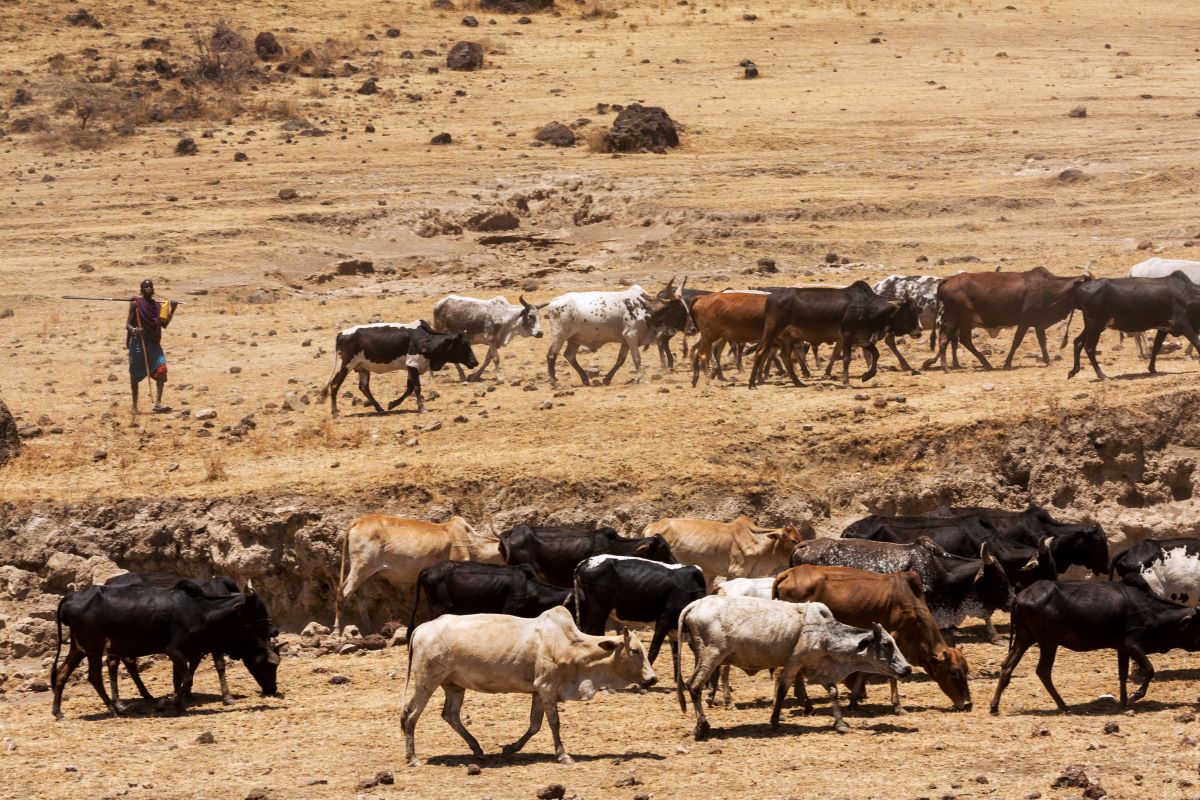
In the heart of West and Central Africa, a persistent struggle over water and land resources is reshaping rural life and intensifying social and economic pressures. The resultant widespread tensions between farmers and herders have escalated in recent decades, fuelled in part by environmental changes. Nowhere is this crisis more acute than in Nigeria’s Middle Belt region. The region, characterised by rich arable lands and vibrant livestock farming, has become a flashpoint of violent clashes between nomadic Fulani herders and sedentary farming communities. Statistics show farmer-herder conflict incidents surged from approximately 25 events in 2010, to 425 in 2018, resulting in over 2,700 fatalities.
As these conflicts persist, leading to loss of life, property destruction, and significant disruption to rural livelihoods, research has revealed a more insidious cost: the impact on household nutrition and child development.
In recent work, researchers from NRI and the University of Reading investigated how these conflicts are affecting the diets of farming households. Their research found that farmer-herder conflicts significantly reduce household consumption of animal-source foods such as milk, meat, and eggs. However, households that diversified their livestock holdings – including cows, sheep, goats, chickens, and other small animals – experienced a sustained level of consumption compared to households relying on only a single type of livestock. The research also highlighted the critical role seasonality in farming and herding activities plays in escalating the conflicts. Farmer-herder conflict follows seasonal patterns, peaking during the height of the dry season when competition for resources is most acute, and declining with the onset of the dry season.
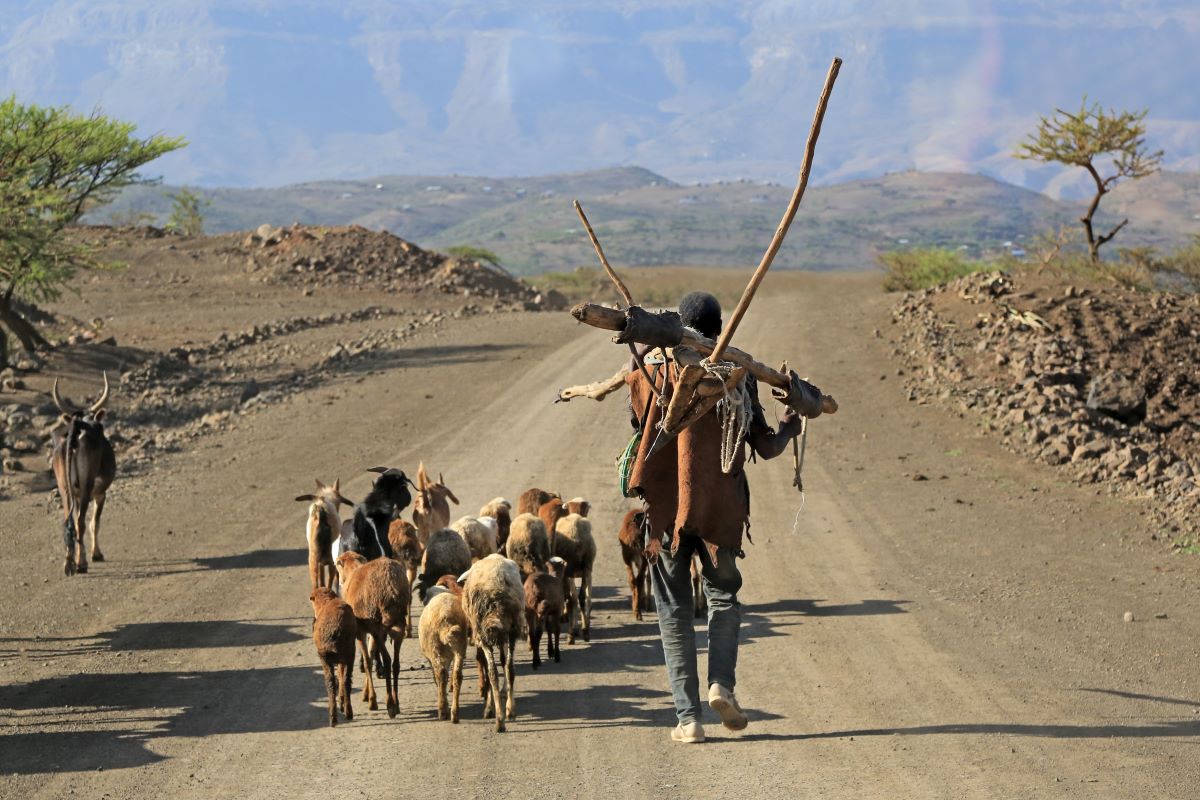
‘Livestock diversity is emerging not just as a resilience strategy, but a lifeline,’ said Dr Olusegun Fadare, who led the research. “When violence disrupts access to food and markets, having multiple livestock types provides both a nutritional and economic buffer.’
Animal-source foods are among the richest sources of micronutrients critical for women of childbearing age and for optimal child development. Reduced intake of these nutrients could have long-term negative consequences on early childhood growth and development.
Several important policy insights and recommendations emerge from this research. Firstly, keeping diverse livestock types enables households to maintain diets rich in animal protein, even in conflict situations, providing evidence for policies that support livestock diversification as a strategy to mitigate the impact of conflict. Secondly, cattle may not be ideal as relief material in conflict settings, given their vulnerability to emaciation and theft. Lastly, households may respond to conflict by either ceasing investments in large livestock or selling them in exchange for smaller livestock, which are less vulnerable to conflict-related risks.
Yet for many families, this transition may reduce household income, as large livestock like cattle are perceived as valuable assets. Reduced income can hinder households’ capacity to meet non-food but critical needs for early childhood development such as education, healthcare, and water and sanitation. Dr Fadare said: ‘To address this economic trade-off, it is recommended that social protection and safety net programmes be extended to households enduring protracted conflicts. This would enable them to meet essential non-food needs.’
Insights from this research thus highlight a crucial pathway through which conflict can lead to poor child health outcomes. The research findings and evidence on livestock diversification as a conflict risk mitigation strategy have been presented to key academic and policy stakeholders, reinforcing the link between peacebuilding and nutrition security.
This work complements a broader NRI-led initiative led by Dr Uche Okpara in Northern Nigeria and the Sahel region aimed at developing lasting community-based conflict resolution mechanisms to address farmer-herder conflicts in Nigeria.
As the region grapples with the twin crises of climate change and persistent conflict, this research offers a hopeful path forward. Supporting livestock diversification and rethinking traditional aid models offers an opportunity not just to mitigate the impacts of conflict but also to build healthier, more resilient futures for millions across the Sahel.
For more details about this work, contact Dr Olusegun Fadare at