

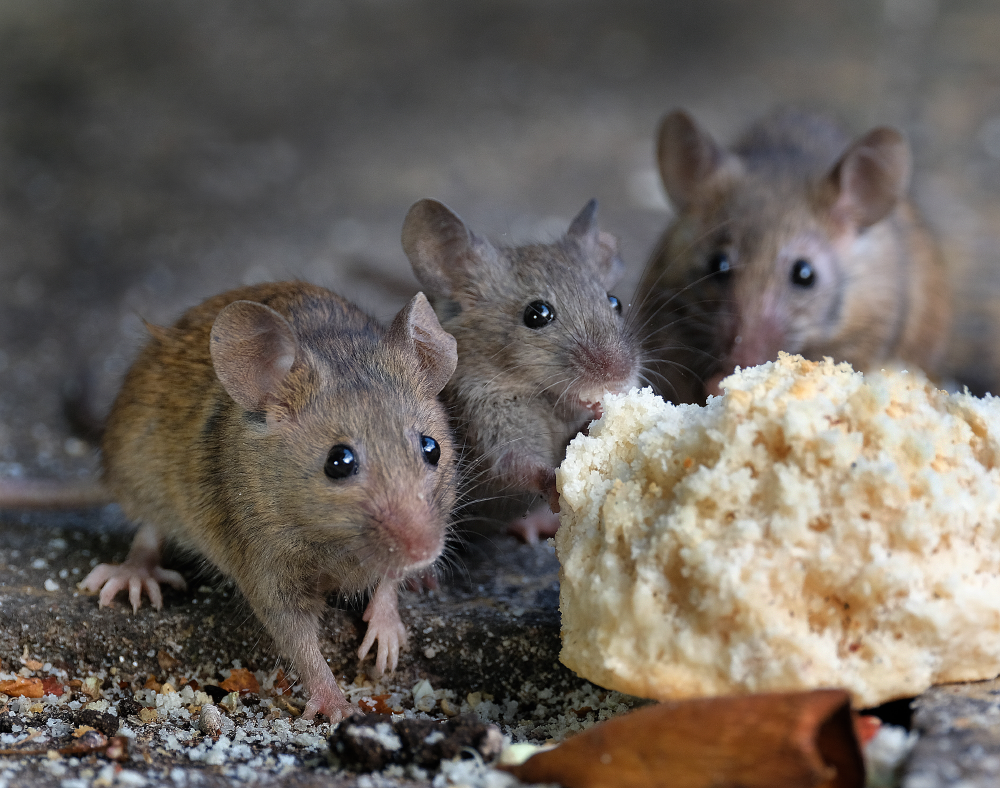
Human health, food security and environmental wellbeing are closely connected. In South African townships, rat infestations bring these challenges into sharp focus, contaminating food, threatening health and wellbeing, and prompting the use of poisons that can harm people, pets and wildlife. Because rodent infestations lie directly at the human-animal-environment interface, solving the problem requires an integrated strategy.
Researchers from the Natural Resources Institute (NRI), University of Greenwich, and two South African universities are using such an integrated approach – One Health – to understand how rodents affect food safety, mental health and disease risk, and to test safer, more sustainable ways to manage them. One Health recognises that human, animal and environmental health are interconnected and calls for a collaborative, transdisciplinary effort to achieve optimal health outcomes for all.
A neglected threat
Rodents are associated with at least 60 zoonotic diseases – infections that can pass from animals to people. The World Health Organization estimates that 400 million human cases of rodent-borne infections occur worldwide each year. Many endemic cases are misdiagnosed or poorly treated, while research on rodents remains neglected in many countries.
But the impacts of rodents extend beyond disease.
“The harm rats do to our livelihoods goes well beyond disease outbreaks,” said Steven Belmain, Professor of Ecology at NRI. “Health impacts also come from contaminated household food, the stress and stigma of living with infestations, and the widespread use of dangerous poisons.”

The research project, A One Health approach to managing rodent pests impacting human health and wellbeing in South African townships (OHRatSA), is examining these interconnected challenges and exploring safer alternatives to rat poison.
Jointly funded by the South African Medical Research Council (SAMRC) and the UK Medical Research Council (MRC), the study is led by Professor Peter Taylor (University of the Free State), with Professor Lourens Swanepoel (University of Venda) and Professor Steven Belmain (NRI).
Three questions, one challenge
Working with residents and local authorities in Phuthaditjhaba and Clarens in the Free State and Lwamondo in Limpopo, the team is investigating three key questions.
How do rats affect food safety and nutrition?
Researchers are sampling stored grain, leftover cooked food, kitchen surfaces, local food markets and shops. Samples are being tested for bacteria, viruses, parasites and aflatoxins – carcinogenic toxins produced by certain fungi, including in damaged grain. The team will also measure nutritional losses, as rats selectively eat the nutrient-rich germ of grains.
The researchers plan to test whether hermetic storage bags and similar technologies can help protect household food stores from rats.
How do infestations affect mental health and wellbeing?
Rat infestations can cause shame and social stigma, undermining people's sense of control over their lives. Through interviews and Q methodology, a technique in which participants rank qualitative statements about an issue, the team will explore experiences that people may find difficult to discuss openly.
Can rodent control be safer and more humane?
Rat control relies heavily on poisons, which can harm wildlife, pets and people. Illegally sold products pose a particular danger in South African townships.
The team is investigating rodent fertility control, which reduces breeding rather than killing animals. The researchers will compare this approach with conventional poison use, gather views from farmers, residents, health officials and agricultural extension officers on the social acceptability of these approaches. They will also track how each method affects rodent populations, crop damage and the prevalence of diseases such as leptospirosis.
Why One Health

“Rodent problems sit where public health, agriculture, the environment and community wellbeing meet,” said Professor Taylor.
By examining these connections together, the research aims to show that managing rodents more sustainably can reduce disease risks, protect food supplies, ease mental health burdens and limit environmental damage.
“We have partnered closely with local farmers and township residents from the outset to earn their trust and buy-in,” added Professor Swanepoel. This collaboration is central to developing approaches that respond to local needs and can be accepted and sustained by the community.
OHRatSA is bringing together expertise across disciplines such as ecology, zoology and social science to demonstrate how a One Health approach can transform a neglected urban public health threat into a model for sustainable community resilience.