

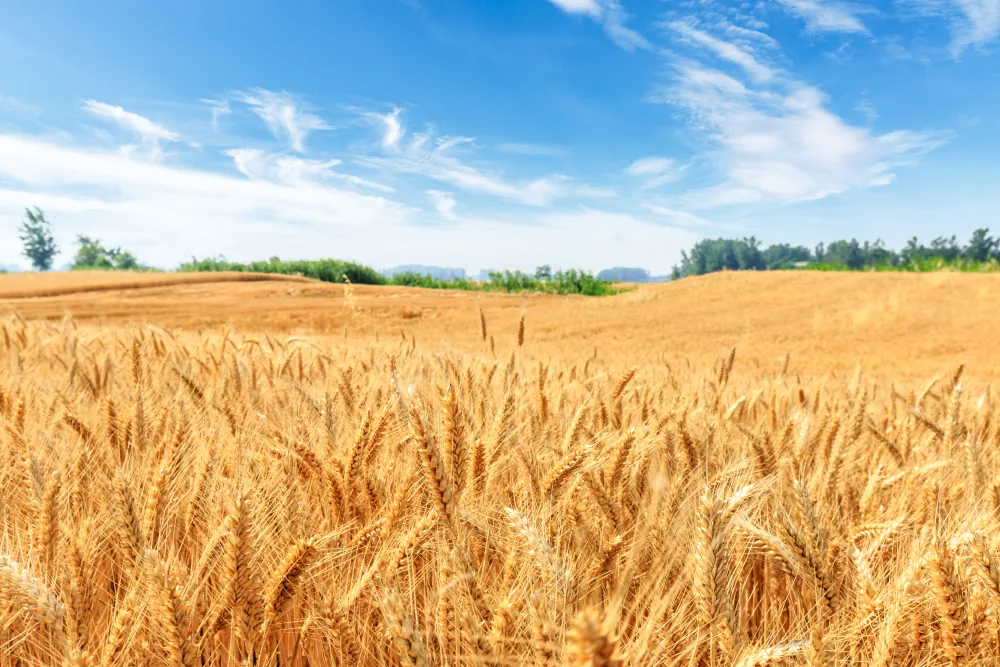
Wheat is a cornerstone of the UK diet, contributing substantially to daily energy, protein and dietary fibre intakes. But what would the UK wheat-based food system look like if healthy diets and improved nutrition were explicit goals?
Encouraging people to eat better will achieve little if healthier foods are unavailable or unaffordable. Producing crops with better nutritional quality will have limited impact if that quality is reduced through processing or confined to premium markets. Increasing agricultural productivity also does not necessarily improve nutritional quality. Improving nutrition requires intentional action across diets and value chains. Wheat is a useful starting point to optimise the interconnectedness of the food system. Wheat-based foods, particularly bread, are consumed regularly, while demand for wheat has helped shape agricultural land use, crop breeding, milling, manufacturing and retail. Even modest differences in wheat composition can therefore matter when repeatedly consumed in people’s diets.
Evidence from my PhD research shows why the dietary end or the “plate” matters. Analysis of 11 years of UK National Diet and Nutrition Survey data identified four broad patterns of starchy-carbohydrate consumption and assessed how closely these diets aligned with the UK Eatwell Guide. The patterns were White Bread & Chips, Wholemeal & High Fibre, Granary & Starch Mix, and Pasta/Rice & Other Cereals. The Wholemeal & High Fibre pattern showed the greatest proportion of people with intermediate-to-high adherence to the Guide (39%), compared with 21% in the White Bread & Chips pattern. It was also associated with higher intakes of fruit, vegetables, and fibre, as well as higher intakes of iron, zinc, and selenium.
This does not mean that changing bread alone creates a healthy diet. Rather, staple choices form part of wider dietary patterns. Consider a sandwich or a sausage roll: attention usually goes to the filling, while the bread or pastry often goes unnoticed. Yet whether it is refined or wholegrain affects its fibre and micronutrient content.
Nutritional changes between farm and plate
The value chain also determines which nutritional qualities are preserved and made affordable. Analysis of approximately 150 retail wheat flours available in the UK found mineral composition varied with extraction rate and other characteristics. Wholemeal flour generally contained higher concentrations of minerals such as phosphorus, magnesium and potassium than refined white flour because it retains the mineral-rich bran and germ. However, the addition of calcium and iron to most refined wheat flours, as required by UK fortification regulations, also influences their mineral composition, partly compensating for nutrients lost during milling. Zinc averaged about 2.59 mg per 100 g in spelt compared with 2.01 mg in common-wheat flour. Biodynamic/regenerative flours had the highest mean zinc concentrations compared to organic and conventional flours. These associations do not prove that farming method alone caused the difference, but they show that flour is not nutritionally uniform.

The research also shows why benefits created on the farm may not automatically reach consumers. If regenerative practices adopted to improve soil health are also associated with higher nutritional quality grain, that potential co-benefit still has to travel through the value chain. In the study, independent mills were more likely to offer flours linked to regenerative or organic farming and heritage or differentiated wheat varieties, whereas supermarket flours were dominated by conventional production and common wheat.
These differences were also reflected in price. Independent-mill wholemeal flour averaged about £1.35 per 500g loaf equivalent, compared with about £0.65 for supermarket wholemeal. Refining can further reduce nutrient-rich parts of the grain, while differentiated grains may become standardised as they move through larger supply chains. Nutritional quality may therefore exist within the food system without being equally visible, accessible or affordable to consumers.
Rethinking agricultural ‘success’
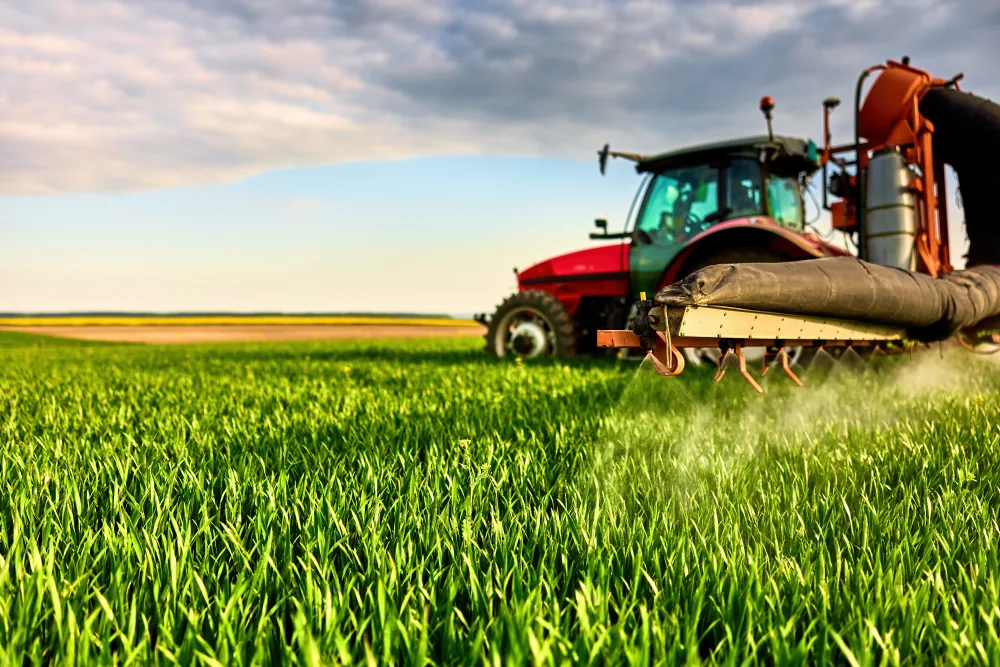
Production research revealed another trade-off. Farming decisions affected both yield and grain mineral composition, and practices that increased wheat yield did not necessarily improve nutrients such as zinc. Agricultural success should therefore not be measured by yield alone. Nutritional quality needs to be considered alongside productivity, environmental priorities and farm viability.
This has implications for how agricultural policy and incentives define success. For instance, where robust evidence shows that particular practices also protect or improve crop nutritional quality, nutrition could be an additional outcome considered in agricultural incentives such as England’s Sustainable Farming Incentive.
Improving nutrition is also about preserving and expanding diversity as food moves through the system. Despite having higher fruit and vegetable intake, even the Wholemeal & High Fibre dietary pattern did not necessarily represent an optimal diet; fruit choices remain concentrated in familiar options such as apples and bananas. Likewise, the apparent variety of breads or flours on the shelf may mask a much narrower range of wheat varieties and production systems behind them.
Policies that encourage diversity in production therefore need to be matched by value chains and food environments that retain that diversity and make it visible, accessible and affordable to consumers.
Wheat is only one staple, but following it from plate to soil reveals that healthy diets are shaped throughout the food system, not only at the point of choice. Dietary policies can create demand for healthier and more diverse staples; value chains can preserve their nutritional qualities and make them accessible and affordable; and farming decisions help determine their nutritional potential in the first place.
Improvements at one stage can be weakened or amplified by decisions elsewhere. Innovation should therefore include better ways of aligning what we grow, produce and eat with the goal of better nutrition.
Apple recently completed her PhD through the NRI-led UK Food Systems Centre for Doctoral Training (UKFS-CDT) programme. She conducted her doctoral research at NRI and Rothamsted Research