

A major new report on the status of women in agrifood systems in sub-Saharan Africa will be launched today (16th April) at the 34th FAO Regional Conference for Africa (ARC34), convened by the Food and Agriculture Organization of the United Nations (FAO) in Nouakchott, Mauritania.
The report, Women in Agrifood Systems in sub-Saharan Africa (WAFSA), has been jointly prepared by FAO, NRI, and African Women in Agricultural Research and Development (AWARD). Technical contributions were coordinated by lead author, NRI’s Dr Lora Forsythe. The report brings together extensive research and analysis to examine the roles, contributions and constraints experienced by women across the region’s agrifood systems.
The launch follows the World Food Forum - Africa (WFF-Africa), held on 15th April at ARC34. WFF-Africa provides a high-level platform to advance dialogue and action on agrifood systems transformation in Africa. With a strong focus on innovation, partnerships and investment, the forum places particular emphasis on empowering women, youth and communities as agents of change.
The WAFSA report contributes directly to these ambitions, and other important commitments of the African Union, by providing a robust evidence base to inform more inclusive policies, investments and interventions as well as support for women’s grassroots movements
A promising and growing consensus in Africa shows commitment to women’s rights and gender justice. The African Union’s Agenda 2063 envisions a people-driven development approach rooted in the potential of African women and youth. Binding agreements reinforce this goal, such as the African Charter on Human and Peoples’ Rights on the Rights of Women in Africa and the recently adopted 2025 AU Convention on Ending Violence Against Women and Girls.
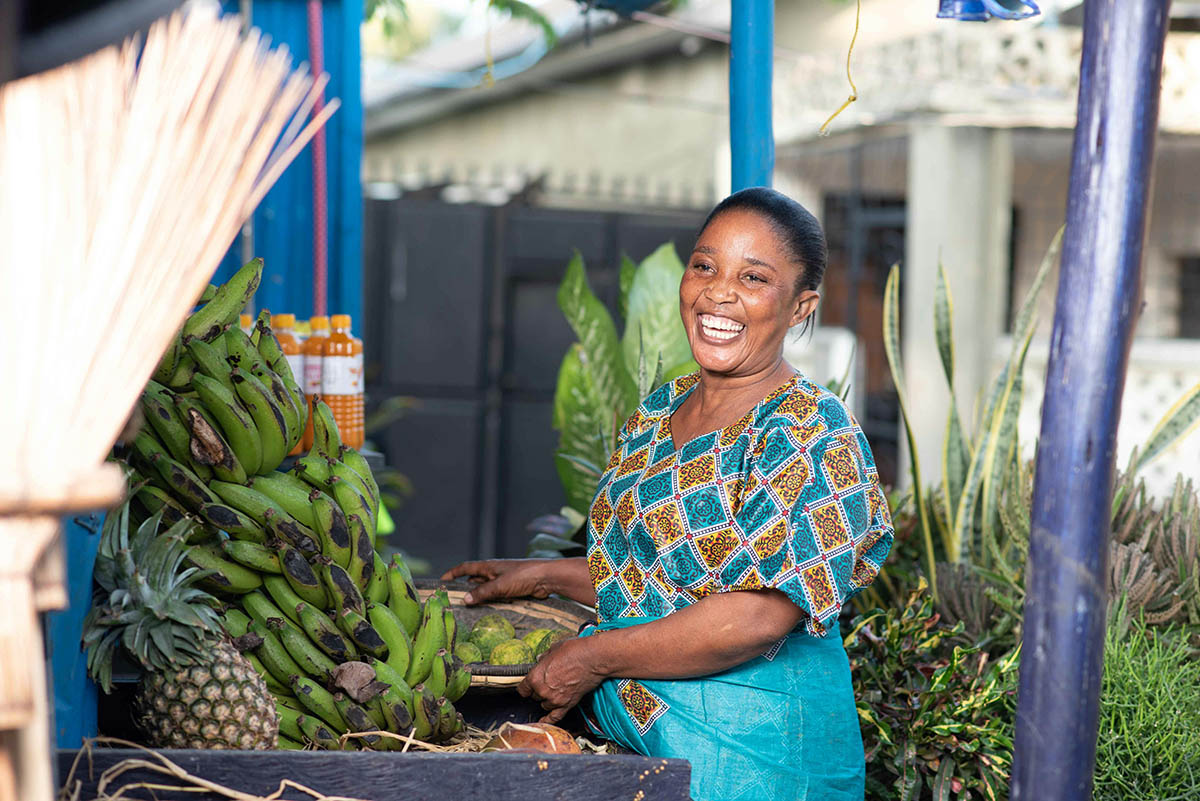
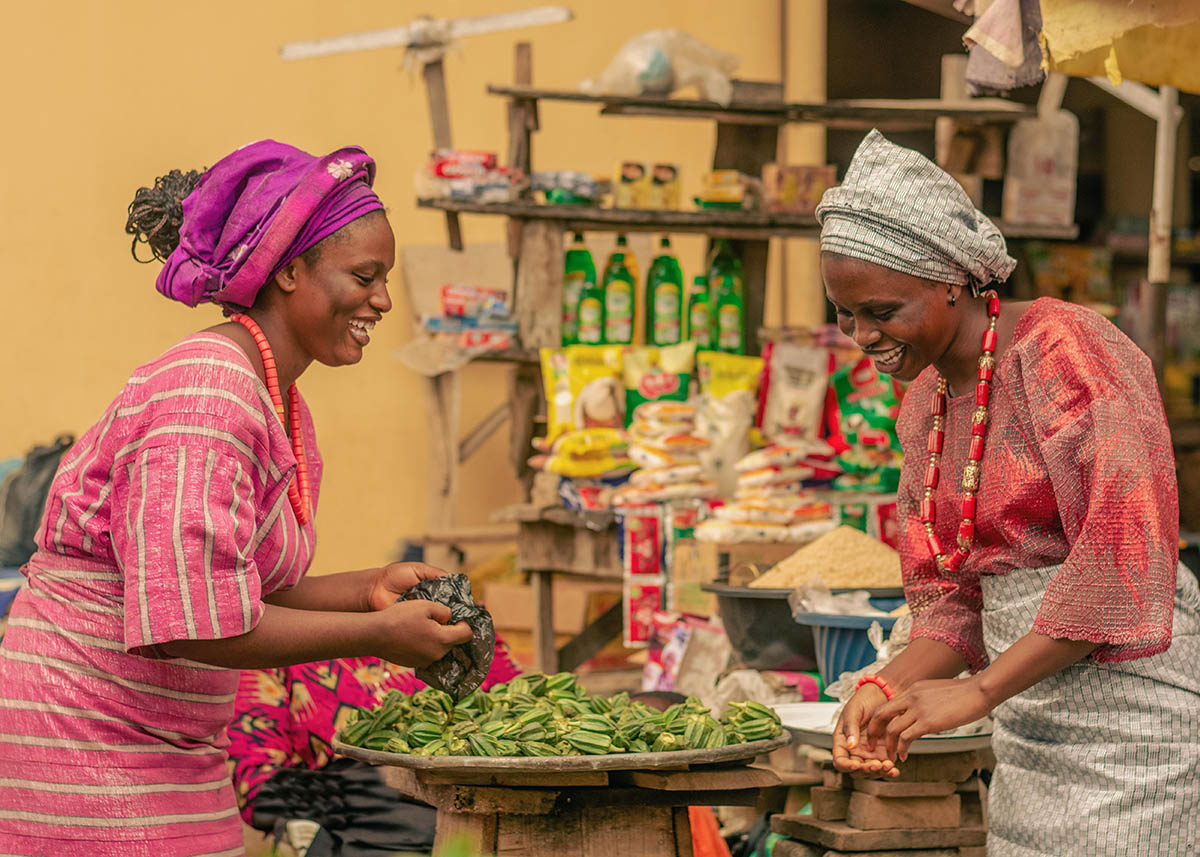
In this context, the report’s findings highlight both the scale of women’s contributions and the structural barriers they continue to face. Across sub-Saharan Africa, 76 percent of employed women work in agrifood systems, representing nearly half (49 percent) of the sector’s workforce. Their roles extend well beyond farming, with participation in off-farm activities – such as processing, packaging and distribution – rising from 21 percent in 2005 to 29 percent in 2022. However, much of this work remains informal: over 90 percent of employed women operate in informal settings, where their contributions are often undervalued, underpaid, precarious and risky, lacking recognition in decision-making processes and policy. Women also disproportionately shoulder the burden of unpaid care work, which limits their participation in the labour market.
At the same time, women’s productive, care and reproductive work in agrifood systems depends on women having rights to healthy and productive nature or natural resources. Yet, gender inequalities and environmental degradation persist across the region, limiting women’s access to land, water, and forests, putting women and girls at risk of gender-based violence. For example, in most countries across the region, men are more likely to own land or hold secure land rights. These disparities are further compounded by broader challenges, including rising food insecurity. In 2024, 64 percent of the population experienced moderate or severe food insecurity, with 11.2 million more women affected than men. Food insecurity increases the risk of gender-based violence, including intimate partner violence and child marriage. Other worrying trends in the region are high levels of anaemia and obesity among women compared to men.
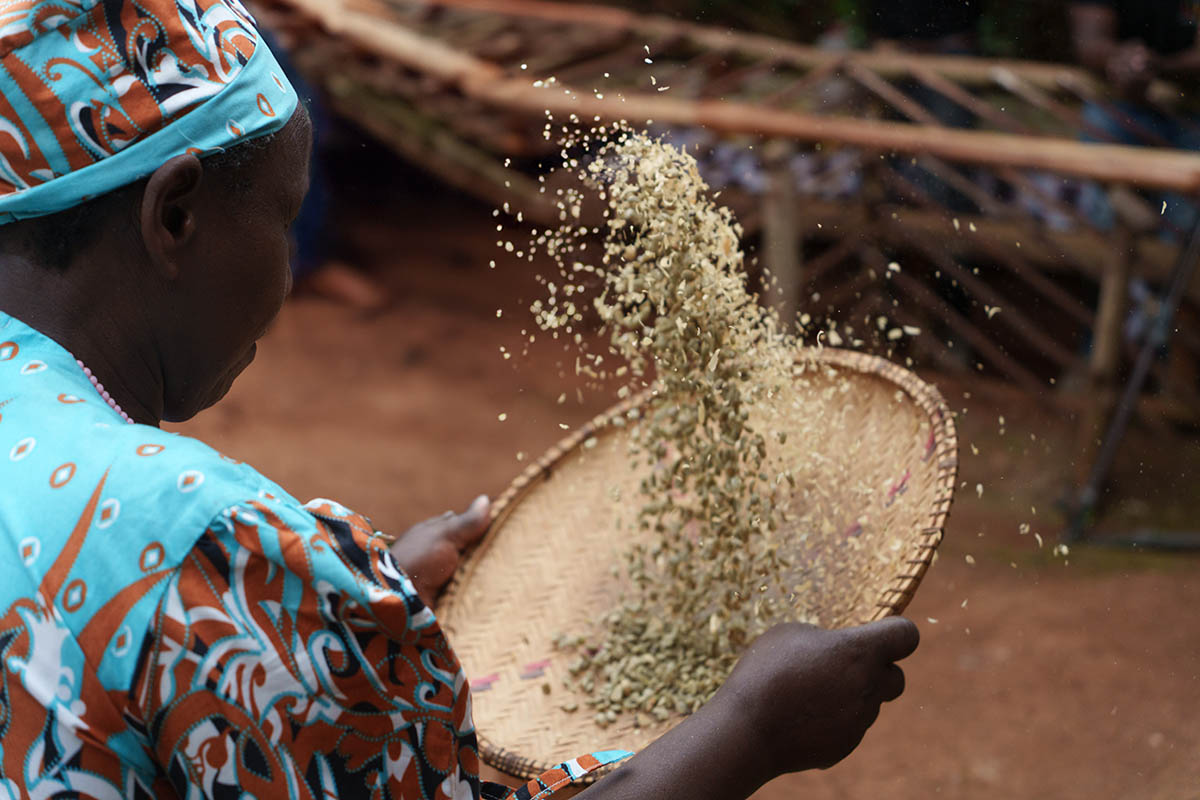
Importantly, the report recognises that women’s roles in agrifood systems extend beyond their economic contribution. Furthermore, women’s collective actions, both historically and presently, have made important contributions to agrifood system transformation and provide concrete pathways for change to inform decision makers.
With a strong evidence base, the report makes a strong case for change. It argues that supporting women’s empowerment – by creating environments where women can make and act on their choices, both individually and collectively – is essential to strengthening social equity, food security and climate resilience. Ensuring women’s rights to land, water and natural resources, alongside efforts to support ecological sustainability, is identified as a critical step towards addressing structural barriers and creating just and inclusive transformation of agrifood systems. The report also highlights the need for supportive policies, targeted interventions supporting women’s innovation processes and stronger accountability across public and private sectors to fully recognise and sustain women’s contributions.
Dr Lora Forsythe said: ‘This report affirms that centring women’s knowledge, rights, and leadership in African food systems is a matter of justice – recognising their lived realities, histories, and authority in shaping food, land, and livelihoods.’
The launch comes at a critical moment, as governments, development partners and investors seek to accelerate agrifood systems transformation across Africa. For these initiatives gender and environment must be core to institutional transformation of the systems that perpetuate inequality. The WAFSA report helps ground these efforts in evidence.
It also contributes to growing regional and global momentum around women’s leadership in agriculture. Its launch aligns with the inauguration of the International Year of Women Farmers (IYWF) in Africa, reinforcing calls to recognise, support and invest in women as key drivers of agrifood systems transformation.
Clara Park, Senior Gender Officer, FAO, said: Building on FAO’s global Status of Women in Agrifood Systems report, this publication brings forward new evidence grounded in the lived realities of women across sub-Saharan Africa, demonstrating their central role in agrifood systems and food security, while exposing the structural inequalities that continue to hold them back. It makes a compelling case for empowered women to lead and transform agrifood systems across the region.
Alongside other insights from WFF-Africa, the report is expected to inform ongoing policy discussions, including recommendations from ARC34, strengthen partnerships, and support the design of more inclusive investment strategies. Its findings will also feed into broader regional and global dialogues on inclusive agrifood systems transformation.
The full report is available here: https://doi.org/10.4060/cd9262en