


Six current and former NRI researchers have been recognised in the 2026 Stanford/Elsevier Top 2% Scientists rankings. The rankings identify influential researchers worldwide using citation-based indicators of research impact, recognising contributions over an entire career and in the most recent year.
Their work, briefly highlighted below, reflects the depth and diversity of NRI’s research and the different ways our work is advancing scientific understanding and addressing local and global challenges.
John Morton
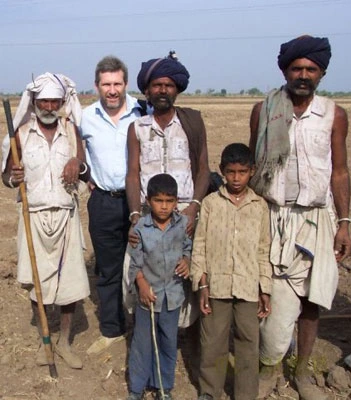
Professor John Morton’s research examines the social, institutional and political-economic dimensions of livestock development, particularly among pastoralist communities, and the challenges facing rural livelihoods in a changing climate.
His work on livestock product value chains has highlighted the multifunctional role of livestock systems in supporting small-scale farmers and pastoralists across the Global South, as well as how factors such as land tenure and wider political-economic conditions shape livestock production. He has led and contributed to interdisciplinary research on value chains for beef in Eswatini, milk in Burundi and cashmere in Mongolia. His research also explores how pastoralists, smallholders and other rural communities experience climate change and the policies and institutions that can support their adaptation.
John has contributed to several major Intergovernmental Panel on Climate Change (IPCC) reports as a Coordinating Lead Author and Lead Author. He was recognised for his contribution to the award of the 2007 Nobel Peace Prize to the IPCC.
Delia Grace
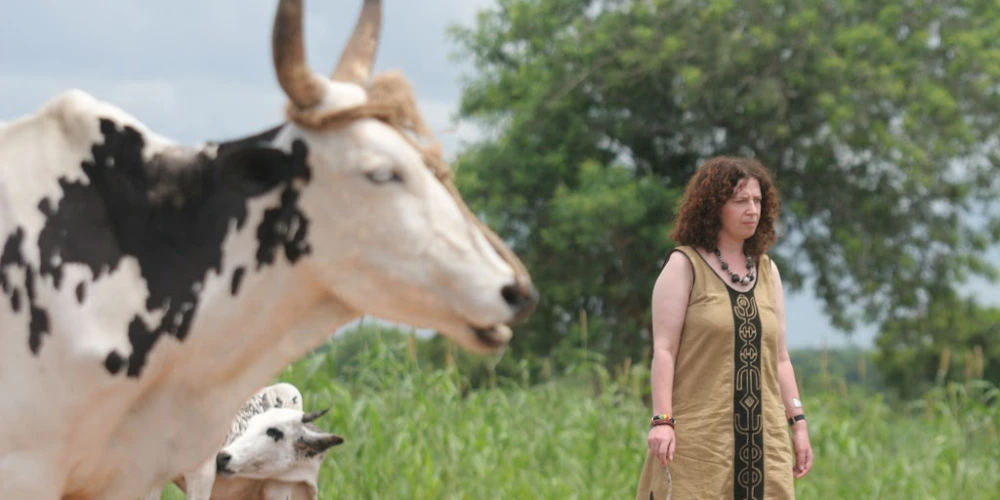
Dr Grace is an epidemiologist and veterinarian with over 25 years’ experience in developing countries. She is a professor of Food Safety Systems at NRI and a Joint Appointed Scientist at the International Livestock Research Institute (ILRI).
Her work is primarily focused on food safety in informal markets in low- and middle-income countries. Her research approach is based on risk analysis, identifying the most important hazards and potential interventions, with participation of communities and stakeholders. She investigates trade-offs and synergies between food safety and livelihoods, gender, equity, nutrition and the environment. Her work has informed policy makers on appropriate measures to enhance food safety in informal markets. Her research interests also include emerging animal and human diseases and animal welfare. Her overall aim is sustainable animal agriculture benefiting poor consumers, farmers and value chain actors while minimising the harms for human and animal health, well-being and ecosystem services.
Over her distinguished career, Delia has worked with the World Organisation for Animal Health, the World Health Organization (WHO), the Food and Agriculture Organisation, the World Bank and other international, regional and national organisations.
Philip Stevenson
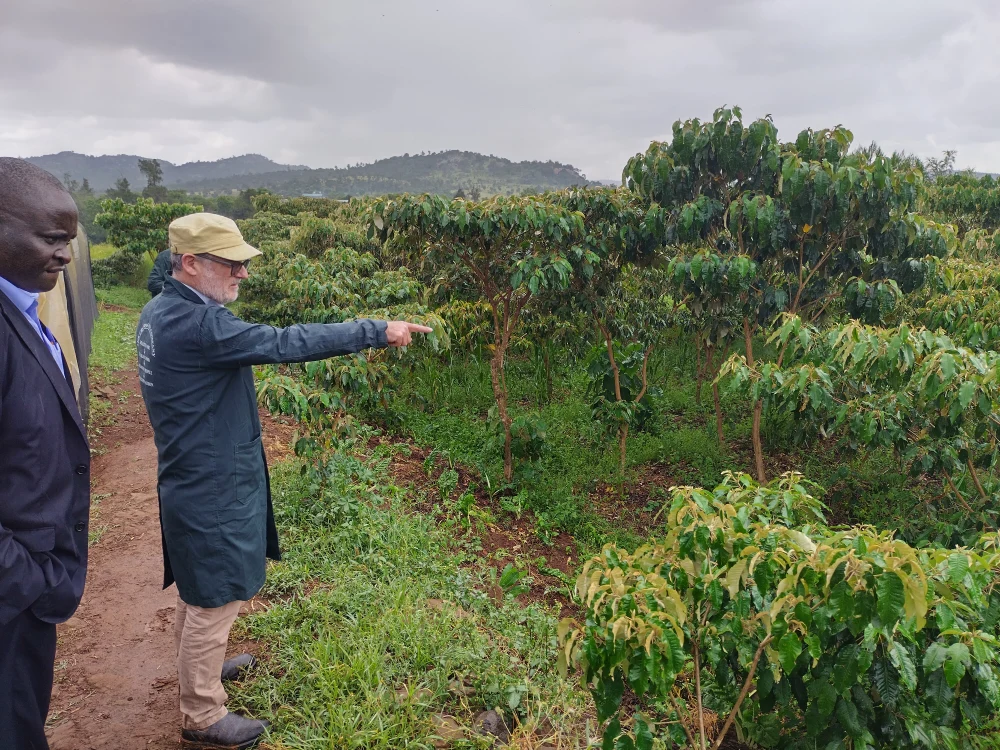
Phil Stevenson is Professor of Plant Chemistry at NRI. His research explores how plant chemicals mediate plant-insect interactions and support nature’s beneficial functions and sustainable agriculture.
His research has reshaped how scientists understand the way flower chemistry affects pollinator behaviour, health, and ecology. He and his colleagues provided the first evidence that natural compounds in nectar, such as caffeine, boost bees' memory of flower scents, opening up an entirely new field of research. His later work showed that bumblebees can be trained in-hive using caffeinated food and floral scents to preferentially seek out target crops, creating opportunities to improve commercial pollination.
His research was also the first to show that compounds in nectar can protect bumblebees against parasites, showing how habitat management can support pollinator health.
More recent work has revealed the importance of some pollen compounds as essential nutrients for bees, findings which could inform solutions to honeybee colony collapse.
Professor Stevenson holds a dual role as Head of Department of Traits and Interactions at the Royal Botanic Gardens, Kew.
Robert Cheke
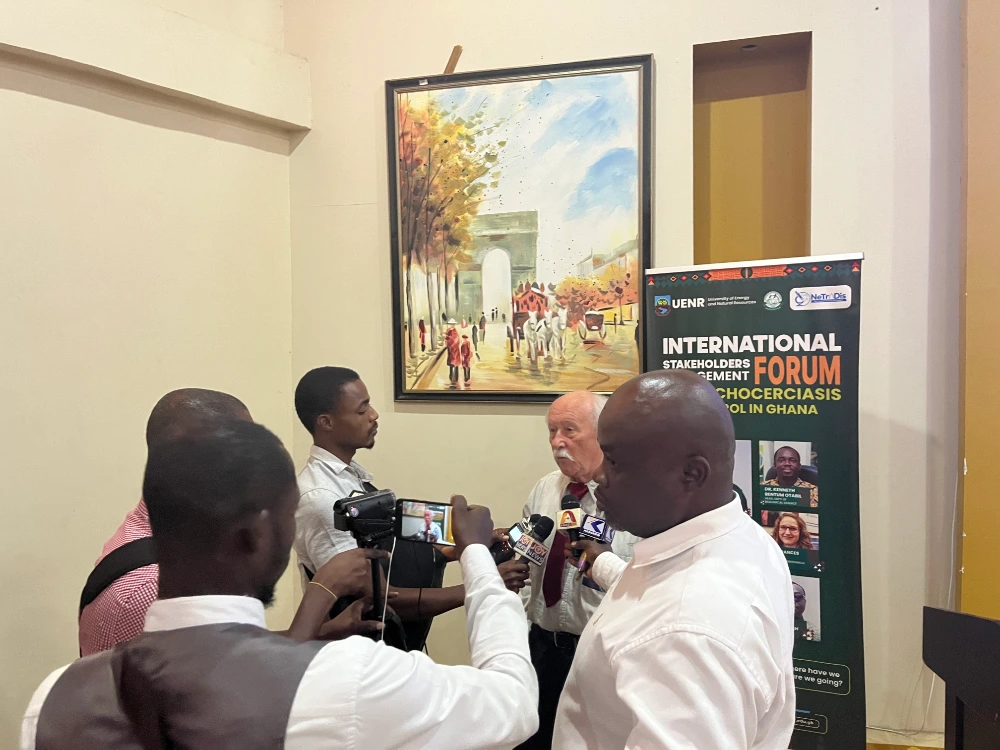
Professor Robert Cheke is an ornithologist and entomologist whose research combines fieldwork with mathematical modelling to understand ecological systems and control vector-borne diseases and agricultural pests. Working across Africa and the UK, he specialises in blackflies of the genus Simulium, which are vectors of onchocerciasis ("river blindness"), mosquitoes and migratory pests including locusts, armyworm moths, and red-billed quelea birds.
His research has delivered major public health impacts. He contributed to the WHO Onchocerciasis Control Programme (1974-2022) that helped protect 40 million people across 11 West African countries and prevented an estimated 600,000 cases of blindness. Relatedly, Professor Cheke worked with the African Programme for Onchocerciasis Control (APOC), which led to the successful elimination of onchocerciasis vectors from the island of Bioko, Equatorial Guinea, in 2005.
He has also investigated how climate change affects locusts and onchocerciasis vectors. More recently, Professor Cheke has modelled how to control dengue mosquitoes and how locusts change their behaviour, body shape and colour depending on their population density (known as phase changes).
Professor Cheke also devised NRI’s MSc programme in natural resources, which has since evolved into two courses: Agriculture for Sustainable Development and Global Environmental Change.
Gabriella Gibson
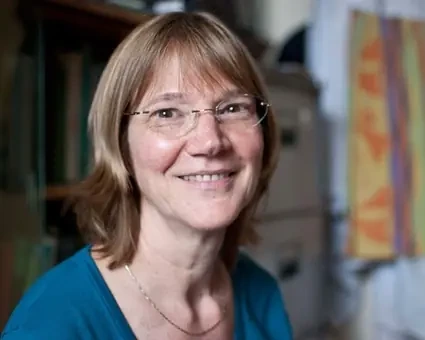
Trained as a medical entomologist, Professor Gibson’s research bridges fundamental mosquito biology with practical solutions for public health and environmental management, both in the UK and globally.
She has made pioneering discoveries in mosquito sensory behaviour and bioacoustics, finding that mosquitoes communicate through ‘singing duets’ – harmonising their wingbeat frequency to aid mating in flight. Her team subsequently discovered that mosquitoes of the same sex or of different species are unable to match wingbeat frequencies and therefore can’t mate. These insights directly inform sterile insect and genetic control programmes. Translating behavioural science into real-world tools, she led the development of the Human Decoy Trap in West Africa, mimicking human heat, scent, and visual cues to capture mosquitoes that transmit malaria and other viruses such as dengue and Zika.
In the UK, she helped develop guidelines to limit the damaging effects of mosquitoes and to enhance appreciation of their ecological value in wetland ecosystems.
Christopher Atkinson
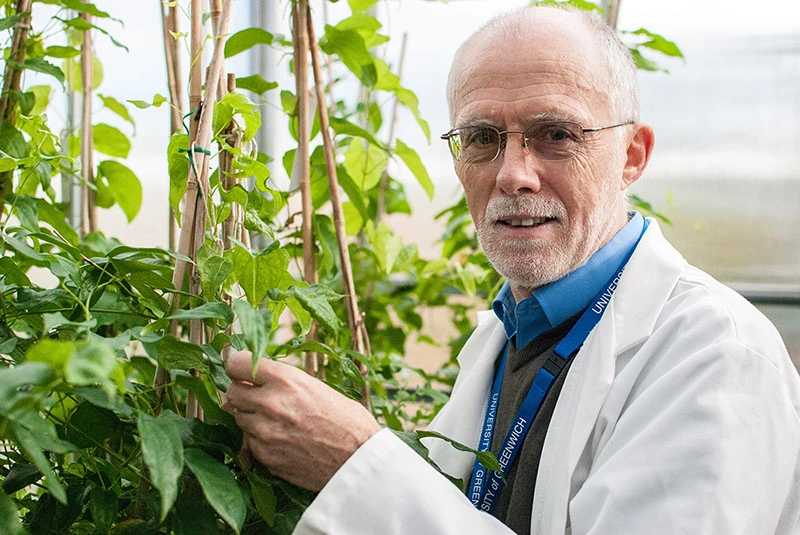
Dr Atkinson is Emeritus Professor of Sustainable Agriculture and Climate Change at NRI.
His research focuses on understanding the impacts of environmental stress on the growth and development of crops, with particular expertise in perennial woody crops, such as apples and pears. His work includes studies of the influence of water on fruit growth and quality, the impacts of chilling on flowering and cropping, and developing strategies to optimise production through understanding the processes that control fruit set and retention. He has also extensively investigated the drought stress tolerance mechanisms of different crops, particularly those linked to the root behaviour of woody crops.
His recent work explores ways to increase the health benefits of fruit consumption, particularly agronomic practices which can enhance beneficial compounds, such as antioxidants. It also extends into research on non-food crops, including perennial biomass crops, enhancing artemisinin (an antimalarial) production in sweet wormwood, pharmaceutical protein production in genetically modified tobacco and biochar sequestration impacts on agriculture.
This recognition celebrates the quality and impact of these scientists’ work and the breadth of expertise and lasting influence of NRI research. Congratulations to John, Delia, Phil, Robert, Gabriella and Chris on this well-deserved recognition.